
A practical framework when creating end-to-end experiences
My approach
My operating system of design
Intake → assumptions → constraints → success metrics
Setting clear team expectations across functional teams sets everyone up for success: the business, the engineers, the designers, the product owners.
Output: Contsraints map + success metrics
Define the problem
Align Stakeholders
Getting the right people aligned early so execution doesn’t stall later. In up-front meetings I like to evaluate tradeoffs (speed vs. quality, brand vs. conversion) and get clarity on things like ownership and priorities.
Output: Decision log to prevent re-litigation
Design end-to-end
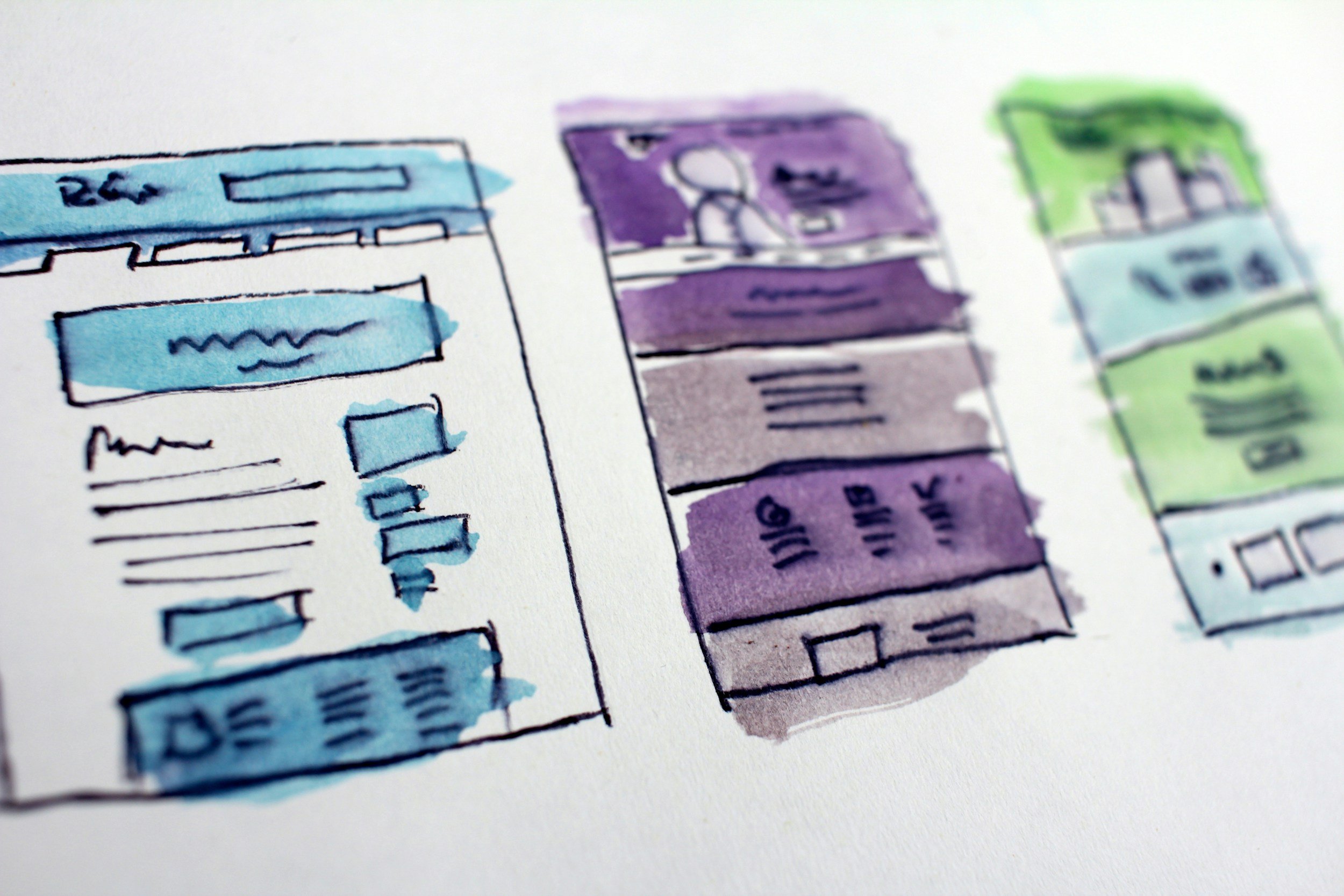
With the goal of making the experience coherent across touchpoints, I will first identify user types → create journey maps and flow diagrams to set our blueprint → flush out wireframes to pressure test the experience while keeping in mind things like: edge cases, error states and accessibility. When I finally move to high-fidelity in Figma, I’m very confident in where we’re going. Handing off high-fi designs to engineers and being a part of the QA process is crucial to a user-friendly final product.
Output: Journey map + flow diagrams + figma prototyping
Connecting design decisions to real outcomes through user testing teams and/or AI heat-mapping tools (like Neurons).
Measure Impact
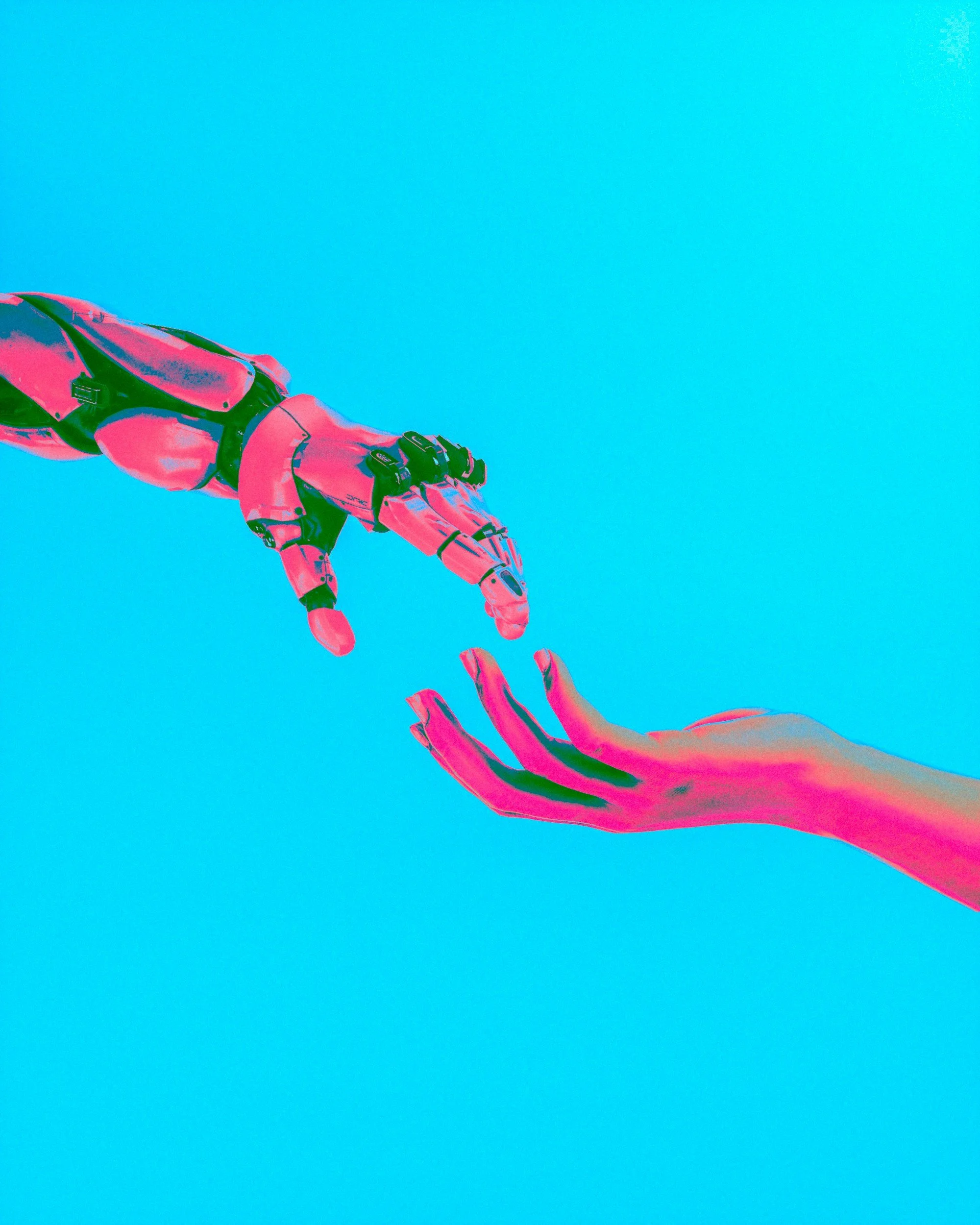
AI supports my process. It doesn’t define it. While generative tools help us move faster, meaningful branding still comes from human empathy and taste. Great experiences feel personal, warm, and intentional—not robotic or cookie‑cutter.
I prefer to use AI to create team efficiencies, and to ideate during the start of the design process.